

An encryption algorithm provides a means to keep information secure. Systems typically use a combination of standard symmetric (same key) and asymmetric (public - private key) algorithms within an overall cryptographic protocol.
Digital signatures are cryptographic algorithms that enable verification of the identity of received information. This is useful both for controlling access to systems and resources as well as providing proof of the originator of transmitted data.
Digital signatures and message authentication codes provide a means to check the integrity of data received or retrieved. This ensure the data is genuine and hasn't been manipulated in transit.
For legal compliance it is often necessary to prevent deniability, especially in the context of sending a message. Cryptographic signatures provide a means of demonstrating who must have transmitted or created signed data.
A common misconception is to assume email provides a secure end-to-end communications channel whereas email typically passes unencrypted through multiple mail servers before reaching its destination.
Personal data should be protected when stored and transmitted and this can be achieved through the use of secure file transfer services in place of email.
Maybe you've got a Unix server in your IT room and your staff are all trained in modern web technologies.
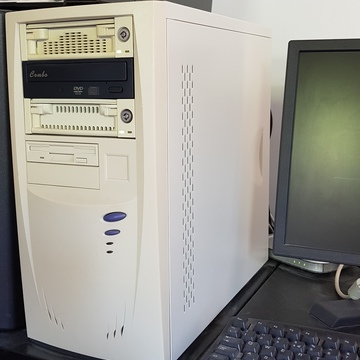
Regardless of the type of system there are essentially three options you can take: support, maintain or replace.
Providing operational support for a legacy system is something that will inevitably have to occur, at least in the short term, regardless of the ultimate plan.
If this is critical system, the most pressing issue is probably mitigating against catastrophic failure. Ideally, you'd want a backup system ready to take over but this might not be possible to commission if hardware has become obsolete. Virtualisation can sometimes provide a solution where hardware cannot be obtained.
Security isolation is another important consideration as modern internet security software will prove ineffective and most likely won't even run on the old platform.
If you intend to keep the system running, you may need to make modifications to it. Software source code may require the use a compiler which won't run on any modern machine. This means you'll either need to build the code on the target or, more safely, on spare hardware. Again, virtualisation may help replicate an appropriate build environment.
There will always come a point in time where a system costs more to maintain than it does to replace. An off-the-shelf replacement will usually be cheapest but you may need to customise a new system or even build something bespoke to meet your needs.